Do You Need Film Equipment Insurance to Hire Kit in the UK?
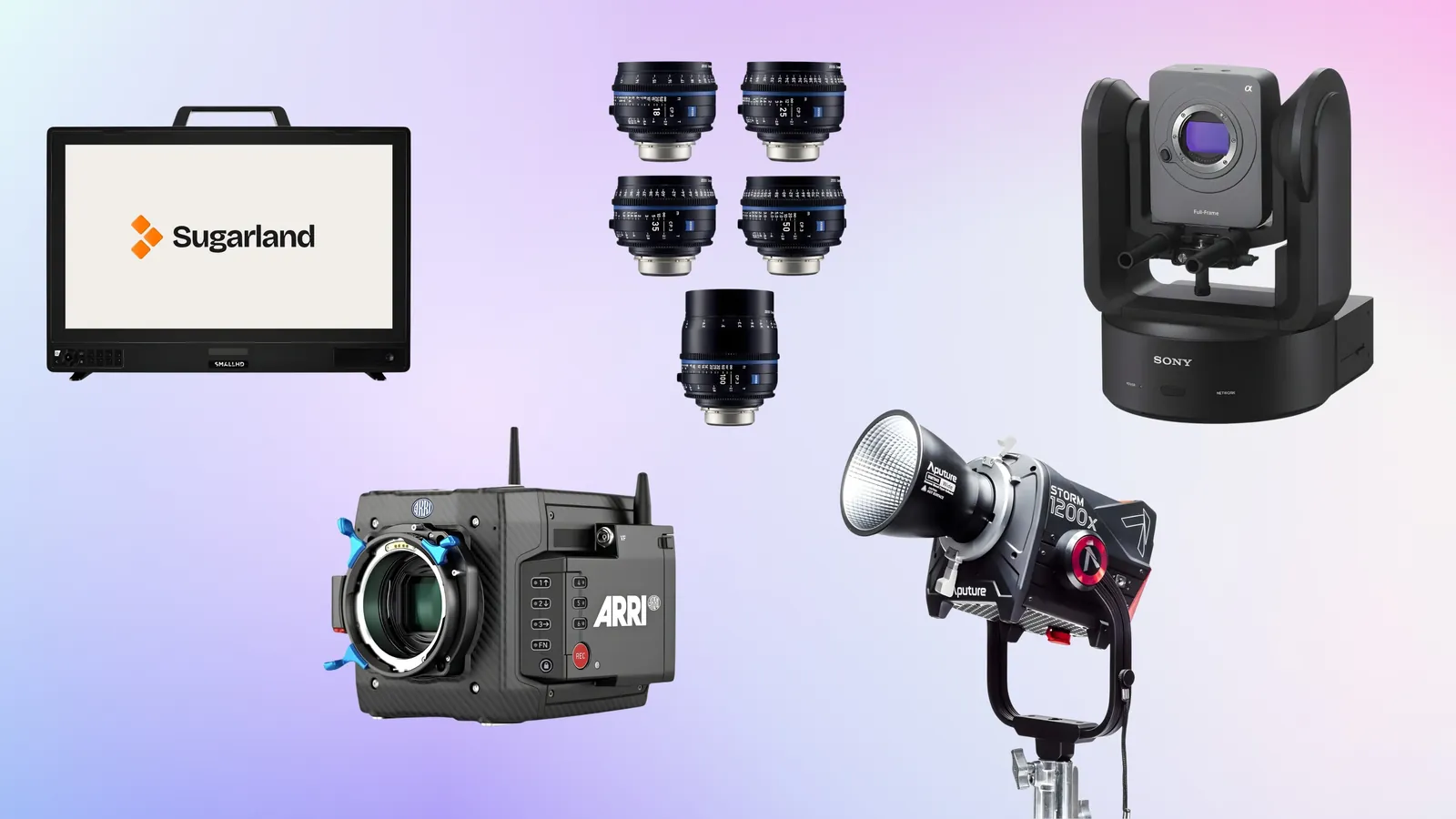
- Yes. UK rental houses require hirers to carry their own hired-in equipment insurance policy covering full replacement value, and most (Sugarland included) ask to see proof before releasing kit.
- Hired-in equipment insurance is its own thing. It's not the same as general contents cover, and it's not the rental house's own business insurance, which won't pay out for damage you cause.
- A policy worth having covers full replacement value, counts hired-in items separately from anything you own, and ideally includes a loss-of-hire-fees clause.
- If you only hire occasionally, you don't need an annual policy. Short-term, per-shoot cover exists and is often the cheaper option for a single job.
- Sort it before you book, not the morning of pickup. Insurance is the one thing that can hold up a job that's otherwise ready to go.
Hired kit is expensive, and it moves around a lot: vans, locations, handovers between crew, weather you didn't plan for.
Something eventually gets dropped, left in a taxi, or nicked from a car overnight. It happens on shoots at every budget level.
We're a family-run business that's been hiring out cameras, lighting, audio and grip kit since 1997, and the film equipment insurance question comes up on nearly every first booking.
It's not complicated once someone walks you through it, but it's also the one thing people leave until the morning of pickup, which is exactly when you don't want to be sorting it.
Here's what you actually need to know before you book equipment hire in the UK.
Do You Need Film Equipment Insurance to Hire Kit?
Yes. Every UK rental house expects hirers to carry their own hired-in equipment insurance policy, and most won't release kit without seeing proof of it first.
This isn't a Sugarland-specific rule. It's standard practice across the UK rental industry, and most companies ask for proof of cover before any equipment leaves the building.
The logic is simple. A rental house owns thousands of pounds worth of gear moving in and out the door daily.
They can't reasonably absorb the cost every time something gets damaged on someone else's shoot.
So the responsibility for covering loss or damage while the kit is in your hands sits with you, the hirer, for the length of the hire.
What Is Hired-In Equipment Insurance?
Hired-in equipment insurance is a policy that specifically covers gear you don't own but are responsible for while it's in your possession.
It's a distinct category from general contents insurance (which covers what you own) and from a rental house's own business insurance (which covers their operations, not your mistakes on set).
If you already run a production business, you might assume your existing policy has this covered.
Often it doesn't automatically, and hired-in equipment sometimes needs a separate limit specified within your policy, distinct from equipment you own outright.
Worth checking with your broker rather than assuming.
Why Rental Houses Require It
At Sugarland, we require every hirer to carry a hired-in policy covering the full replacement amount of the equipment before it goes out on a job.
We also carry our own business insurance, but that covers our operations, not damage a customer causes to hired kit.
If a camera gets dropped or a lens goes missing on your shoot, that's what your hired-in policy is for.
This surprises some first-time hirers, particularly if they've assumed "the rental company must have it covered somehow." They don't, and legally can't be expected to.
Without your own cover in place, you're personally liable for the full replacement value of anything lost or damaged, which on a multi-camera shoot with lenses and lighting on top can add up fast.
What Should Your Film Equipment Insurance Actually Cover?
At minimum, your policy should cover the full replacement value of the equipment you're hiring, not just its depreciated or second-hand value.
Insurers call comprehensive protection against most damage scenarios all-risks cover, and it's worth confirming your policy uses that exact wording rather than a narrower list of named perils.
A few other things worth checking before you sign anything:
- Hired-in items counted separately. Some policies lump hired and owned equipment together under one sum insured, which can leave you underinsured if you're hiring a lot on top of your own kit.
- Loss-of-hire-fees cover. If damaged equipment means the rental house loses income while it's repaired or replaced, some policies cover that ongoing hire charge as well as the replacement cost itself, which some rental houses will expect you to cover too.
- Geographic scope. If you're filming outside the UK, check the policy actually extends there. Not all do by default.
Short-Term vs Annual Policies: Which Do You Need?
If you only hire equipment occasionally, a short-term policy covering just the shoot dates is usually the better option, and policies exist specifically for one-off hires rather than requiring a full annual commitment.
If you're hiring regularly across the year, an annual policy tends to work out cheaper and saves you arranging fresh cover for every job.
Cost varies with shoot length, equipment value and risk factors, but short-term production insurance broadly runs from around £100 to £2,000 depending on what's being covered.
Brokers can also tailor a policy for any business structure, sole trader, freelancer or limited company, so that isn't a barrier to getting covered properly.
If Equipment Is Damaged or Lost on a Shoot
Your hired-in policy is what pays out, not the rental house's insurance.
At Sugarland, hirers are required to hold their own hired-in equipment insurance policy precisely because our own business insurance doesn't cover customer damage to hired equipment.
That's not us passing the buck. It's how the arrangement works across the industry, and it's clearer for everyone if it's understood upfront rather than discovered after something breaks.
In practice, most policies carry an excess, similar to car insurance, commonly around £200, or higher for theft from a vehicle.
That means you're not covering the full replacement cost out of pocket, but you should still budget for that excess as a possibility on any job.
Do You Need Film Equipment Insurance for Anything Else?
Equipment cover only protects the gear itself. It doesn't cover injuries on set or damage to a location, which sit under separate policies.
If you're hiring crew, employer's liability insurance is a legal requirement in the UK, even for freelancers working under your direction, and public liability is standard practice for most locations and studios.
It's worth keeping these distinct in your head when you're budgeting: equipment insurance protects the kit, liability insurance protects people and property.
A full production policy often bundles both, but it's the equipment side that a rental house will actually ask you to prove.
How to Get Insured Before Your Shoot
Don't leave this to the morning of pickup. A few steps to take before you book:
- Work out the total replacement value of everything you're planning to hire, not the day rate. This is what your policy needs to cover.
- Decide whether a short-term, per-shoot policy or an annual policy makes more sense based on how often you hire.
- Ask your insurer or broker to confirm the policy covers hired-in equipment specifically, not just what you own.
- Get proof of cover in a form you can send over quickly (a certificate of insurance or policy schedule) so it's not a last-minute scramble.
- Sort this before you book kit, not the day before your shoot.
FAQs
Do I need a deposit as well as insurance to hire equipment? No deposit is required at Sugarland, but there is a £100 minimum spend, separate from the insurance requirement.
What happens if I damage hired equipment and I'm not insured? You're personally liable for the full replacement cost. Hirers are required to have their own hired-in equipment insurance policy, since a rental house's own insurance doesn't cover customer damage to hired-in kit.
Can I get insurance for just one shoot? Yes. Short-term policies covering a single job or a few days are common and are often cheaper than an annual policy if you only hire occasionally.
Does the rental house's insurance cover me if something goes wrong? No. A rental house's business insurance covers their own operations, not damage a hirer causes to equipment while it's out on a job. That's what your own hired-in policy is for.
Is film equipment insurance the same as production insurance? Not quite. Equipment insurance covers the gear itself. A wider production insurance policy can also include public liability and employer's liability, which protect people and locations rather than the kit.
Where can I get hired-in equipment insurance? If you don't already have a policy in place, we point clients toward Performance Insurance, a broker that specialises in film and media cover, including hired-in equipment.
If you're not sure what your policy needs to cover before a shoot, get in touch and we'll talk you through exactly what we'll need to see before your kit goes out the door.
You can browse the full gear list while you're planning, or head straight to request a quote once you're ready to book.
Let’s plan your next shoot
Get your equipment, studio and crew all in one place.