Is Renting a Camera Worth It?
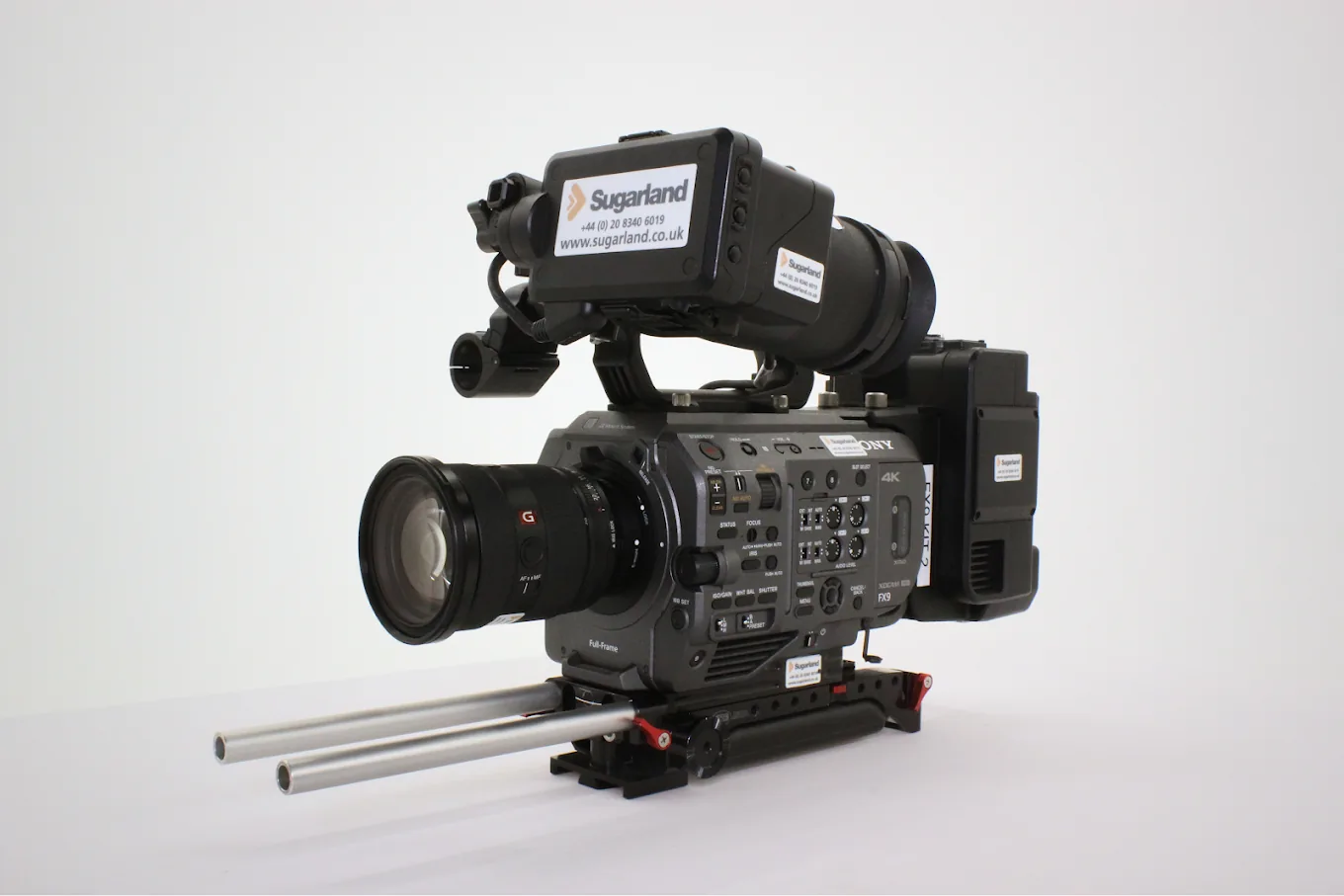
- Renting a camera is worth it when the body won't earn its keep across enough shooting days a year, which is most people outside full-time production.
- Camera bodies lose value fast and get superseded every few years. Lenses and support gear hold their value far better, so they're the safer things to own.
- If your client specifies the camera, ownership doesn't help. You still have to source the model they've asked for.
- The most common setup we see isn't renting or buying. It's owning a core kit you use constantly and hiring the rest per job.
- Hiring doesn't remove the insurance question. Every hirer needs their own hired-in equipment insurance policy.
Most people ask whether renting a camera is worth it as if there's one answer that covers everyone. There isn't.
The right call depends on how many days a year you'd actually use the thing, whether you or your client is choosing the model, and whether you're buying a body or a lens.
The UK is a busy place to be shooting right now. Film and high-end TV production spend hit £6.8 billion in 2025, up 22% on the year before.
More work means more short-run, project-specific jobs, and those are exactly the jobs where owning a full kit stops making sense.
Here's how to think it through.
Is Renting a Camera Worth It?
For most productions, yes. A camera you own costs money whether it's on set or sitting in a cupboard, and the maths only works when it's out earning regularly.
That's the core of it. Ownership makes sense when a camera is your everyday tool.
Hiring makes sense when it's an occasional one, or when the shoot dictates something you don't have.
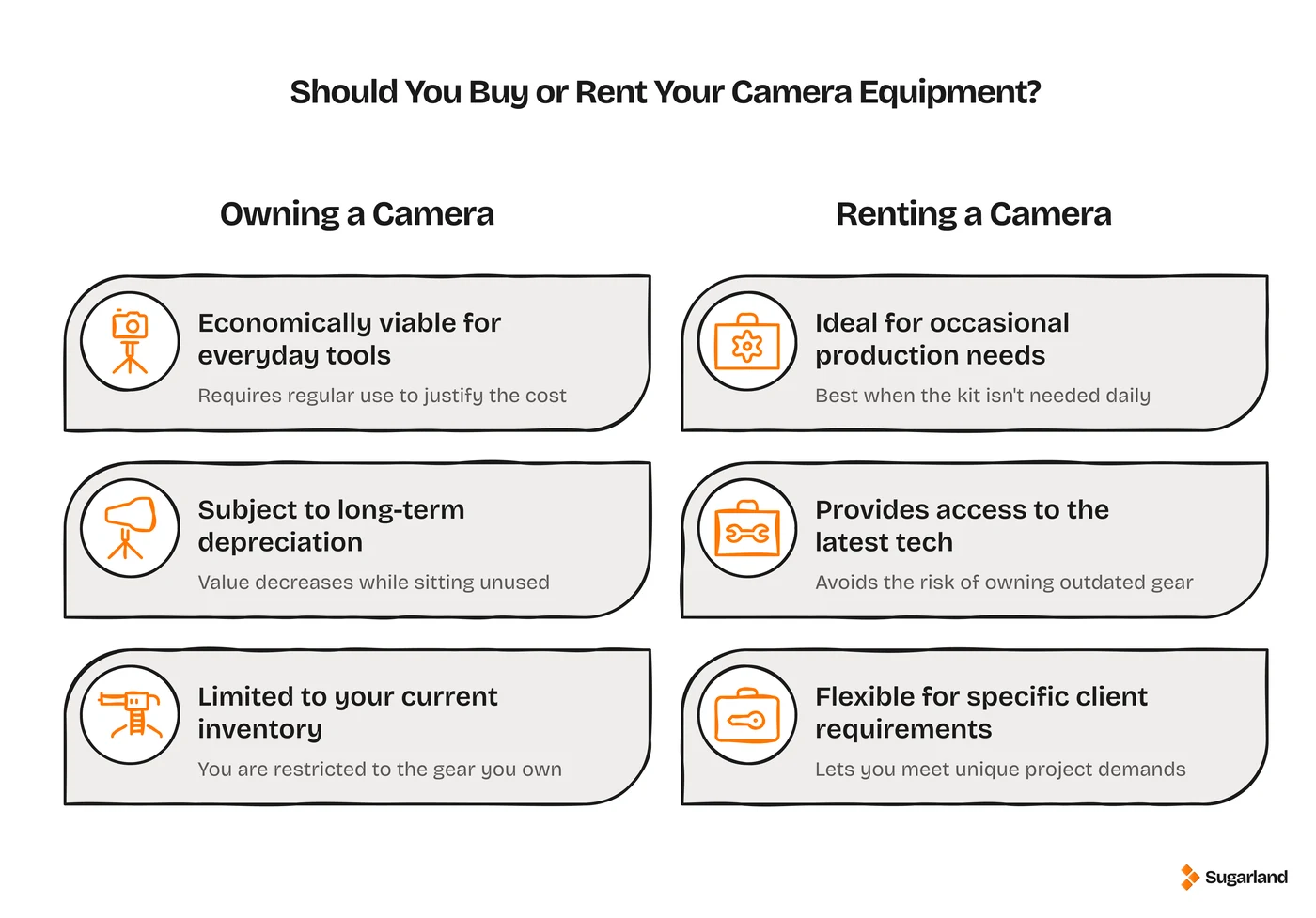
Three things decide which side you're on:
- How often you'd genuinely use it
- How fast it dates
- Who's choosing the spec, you or your client
We'll take those in turn.
How Often Would You Need to Use a Camera Before Buying Beats Renting?
Broadly, a piece of equipment needs to be working well over half your available days before ownership starts to win.
Anything below that and hiring usually comes out ahead once you account for everything ownership drags along with it.
A common rule of thumb across equipment-heavy industries puts the utilisation rate below 40% in rental territory and above 60% in buying territory. It's not film-specific, but the logic transfers cleanly.
The trap is that almost everyone overestimates future use. Count the jobs you actually shot last year, not the ones you hope to book next year.
Be honest about the split, too. You might shoot 100 days a year and still only need a full-frame cinema body on 15 of them.
The Costs That Come After the Purchase
The sticker price is the part people plan for. The rest is what catches them out.
Depreciation is the big one. Camera bodies depreciate fastest of any production gear category, with a body typically shedding somewhere between a fifth and a quarter of its value in the first year alone.
Then there's cover. In the UK, annual production insurance starts at around £500 a year for solo creators and small freelancers, and climbs from there with the value of what you're protecting.
Hiring doesn't make the insurance question go away. Every hirer is required to hold their own hired-in equipment insurance policy, and our business cover doesn't extend to customer damage on hired kit.
We've written a fuller guide to equipment insurance if you want the detail.
After that, the ongoing costs stack up:
- Storage that's secure and dry
- Servicing and repairs, including sensor cleans
- Firmware upkeep as formats and codecs move on
- Batteries, cards and cases, which wear out on their own schedule
- Your time managing all of the above
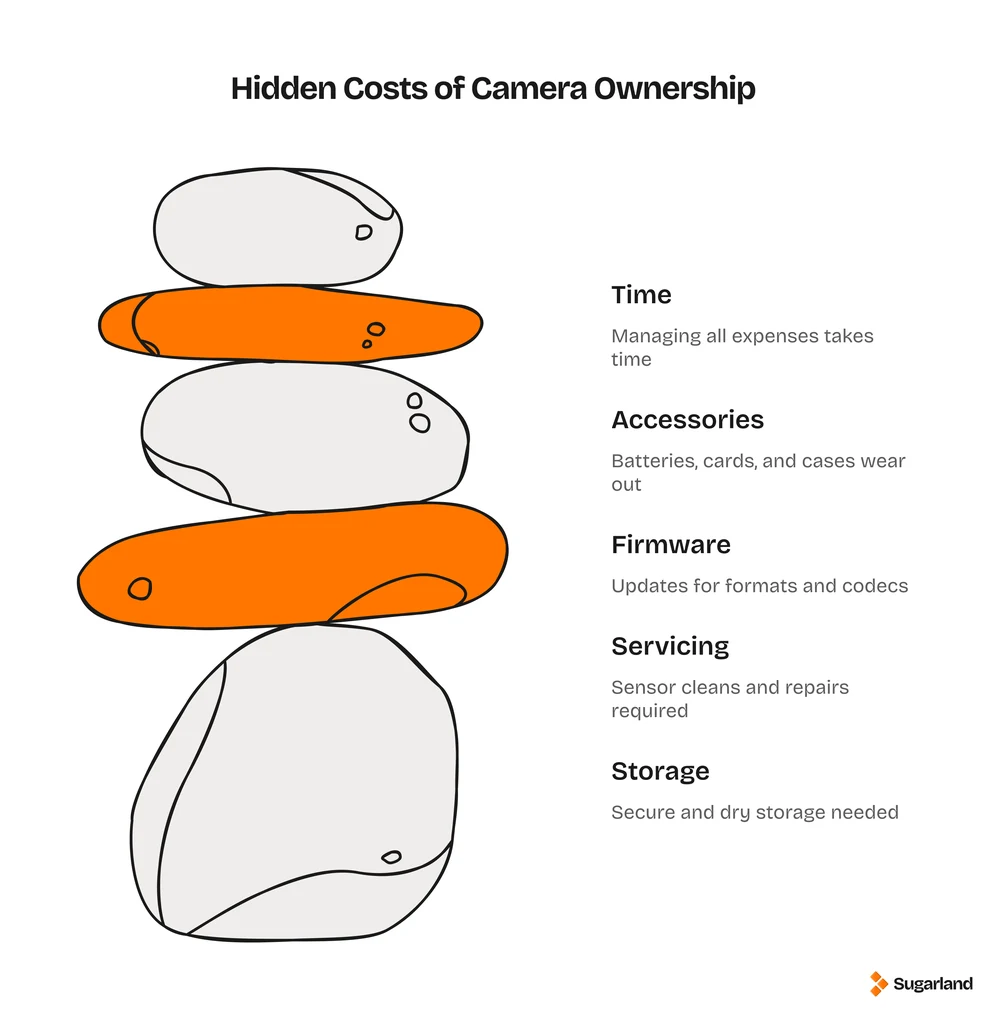
None of it is dramatic on its own. Together it's a running cost that only makes sense when the camera is busy.
Do Cameras Go Out of Date Quickly?
Bodies do. Glass doesn't.
Camera manufacturers work to update cycles of roughly 3 to 4 years, so the body you buy today is likely to be one or two generations back before you've finished paying it off.
Digital gear runs on much shorter production cycles than film-era equipment ever did.
Lenses are the opposite. Optics don't get patched or superseded by a firmware release, and a good lens from 5 years ago performs exactly as it did when it left the factory. They hold their value accordingly.
That gives you a useful filter.
Buy the glass and the support gear. Hire the bodies.
Is Renting a Camera Worth It If Your Client Specifies the Model?
In that case renting isn't just worth it, it's usually the only route.
You can't own every camera a client might ask for, and owning the wrong one doesn't get you any closer.
This comes up more than people expect.
Netflix requires 90% of runtime in a finished programme to be captured on a camera from its approved list, with some flexibility for nonfiction.
That's a delivery requirement, not a preference. If you're shooting for a platform with rules like that, the camera decision has already been made for you.
Our guide to Netflix approved cameras covers which bodies qualify.
It isn't only the streamers. A good share of the work coming through us is booked because someone further up the chain has specified a particular camera, lens or light.
Sometimes it's a technical requirement.
Sometimes an agency simply wants a look they've seen before, or a DP has a preference written into the treatment.
Either way, the production still has to turn up with that exact item.
Owning something similar is not the same as having the thing that was asked for.
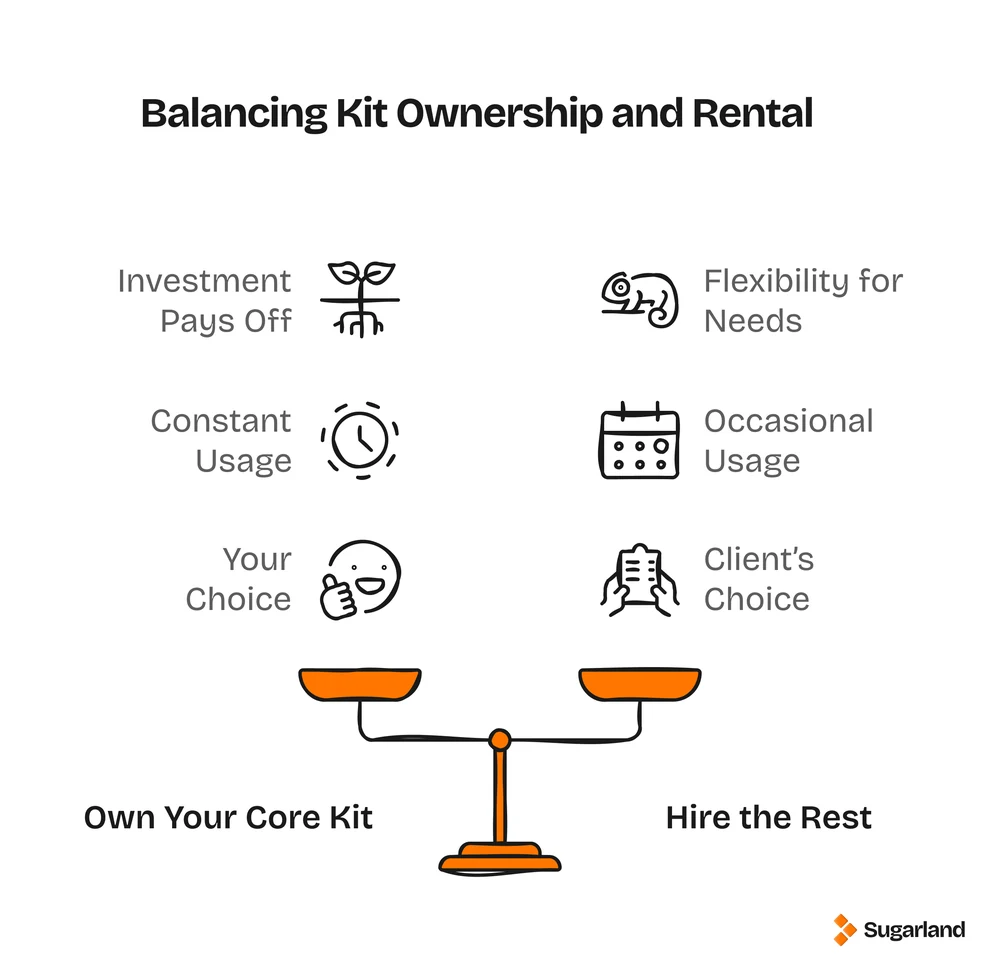
Own Your Core Kit, Hire the Rest
The reason the rent-or-buy question feels unanswerable is that it's usually a false choice. Almost nobody we work with sits fully at one end.
Some own a core setup and supplement it. They use their own gear constantly, so the investment has more than paid for itself, and they hire from us to fill the gaps: an extra body for a multi-camera day, a lens they don't own, lighting that doesn't come out often enough to justify buying.
Others hire everything, every job. Not because they can't afford to buy, but because no single item comes up regularly enough to warrant it, or because their own clients keep specifying different kit. For them, hiring per job is the sensible position rather than a fallback.
One London DP sums up the ownership test as well as anyone:
"If I can't afford it twice, I don't buy it."
Harsh, but it stops a lot of bad purchases.
So the more useful question isn't renting or buying. It's which specific items in your kit list earn their keep, and which ones you're better off booking as you need them.
If you're unsure where a particular item falls, that's a conversation worth having before you spend anything.
We can usually tell you how often something like it goes out.
When Does Buying a Camera Make More Sense?
Buy when the camera is genuinely your everyday tool and the spec is yours to choose. That's the clearest case, and it's a real one.
Ownership brings things hiring can't.
You know the menus without thinking. Your rig is built the way you like it and stays that way.
There's no collection window to plan around and no availability to check before you say yes to a job.
There's an admin side to hiring worth knowing about too.
Most annual policies let you add hired-in cover without much fuss, but insurers generally expect you to inventory the kit on arrival, check it for damage, and agree any existing marks with the hire company before you take it away.
It's a few minutes of work per job, but it's work.
If you're shooting the same kind of job on the same body most weeks, that friction adds up and ownership starts to look better. If you're not, it doesn't.
How to Decide Before Your Next Shoot
Run through these before you commit to anything:
- Count the days. How many days last year did you genuinely need this specific item? Use real numbers, not projected ones.
- Check who's choosing. If clients regularly specify the model, ownership won't solve your problem.
- Body or glass? Lenses and support gear hold value and are worth owning. Bodies date fastest.
- Add the running costs. Insurance, storage, servicing and depreciation, not just the purchase price.
- Try it first. Hiring a body for a real job is the best research you'll do before committing thousands to one.
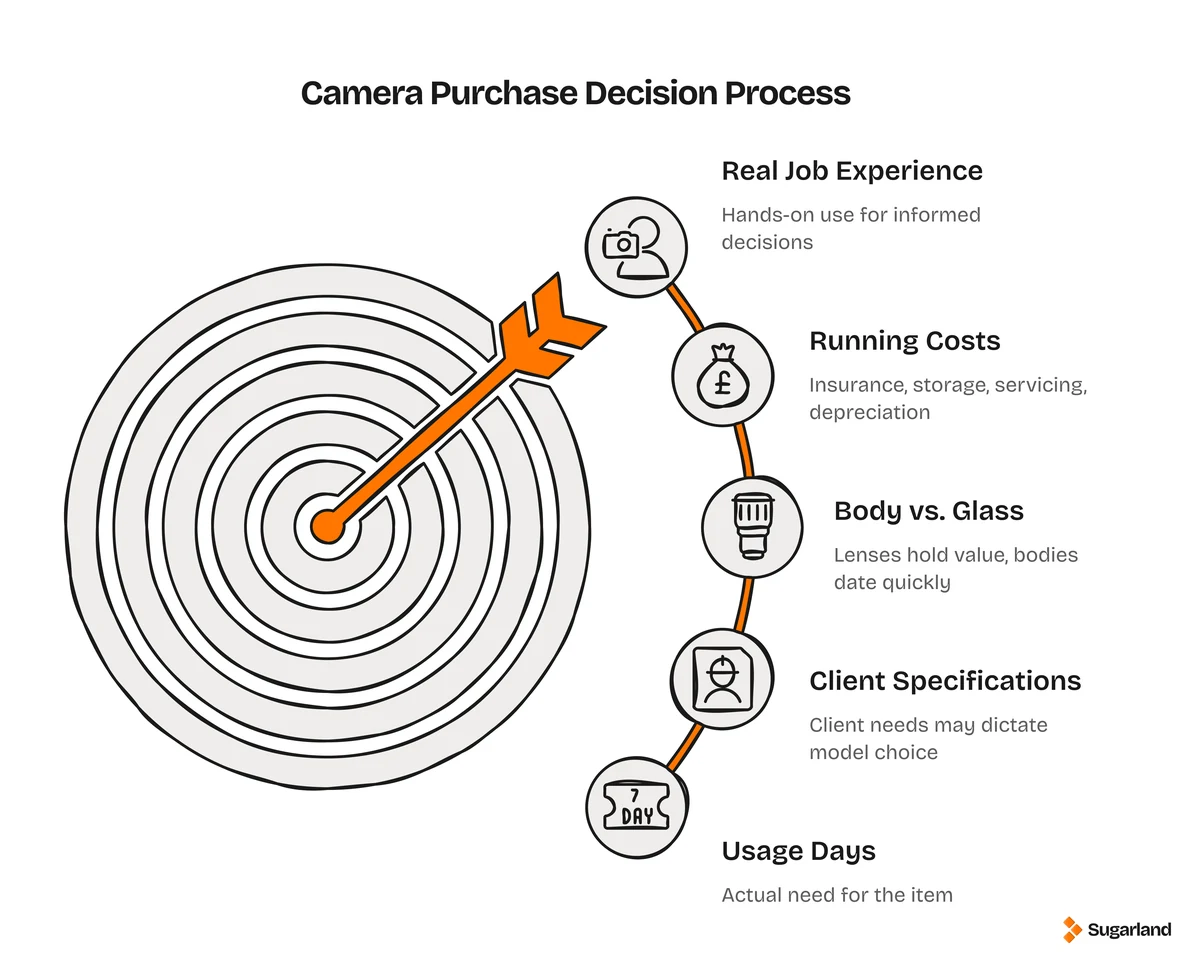
That last point is worth dwelling on.
Plenty of people hire a camera for a couple of jobs, find it doesn't suit how they work, and save themselves a purchase they'd have regretted.
Others hire the same body 3 times in 2 months and realise they should just buy it.
Both are useful answers. You only get either by putting the camera on a real job first.
If you want to talk through what's worth owning and what's worth hiring for a specific production, request a quote or give us a call.
We'll tell you honestly if you'd be better off buying something.
See the full range of camera hire options, or browse everything under equipment hire.
Let’s plan your next shoot
Get your equipment, studio and crew all in one place.