Sony FX5: What You Need to Know
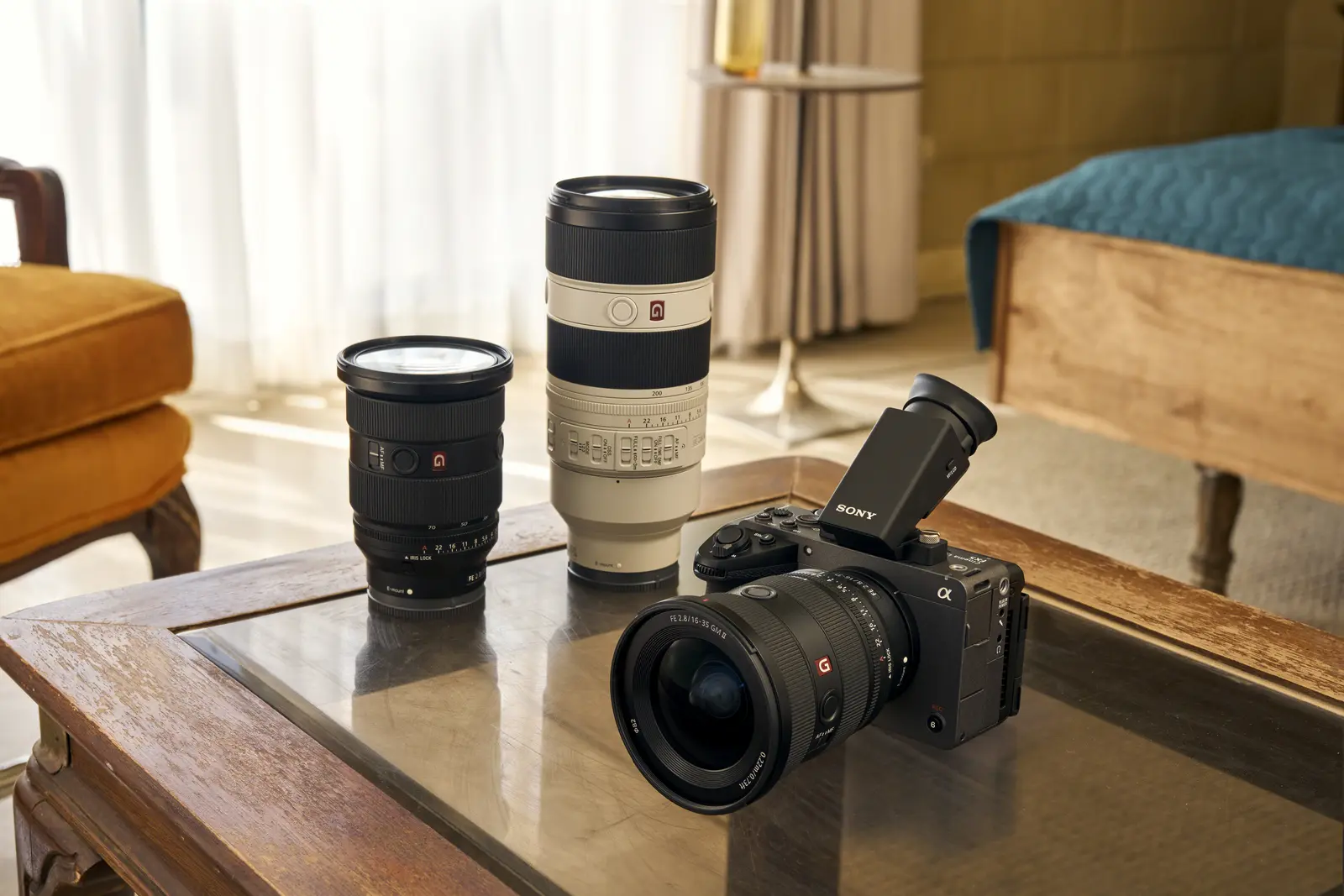
- The Sony FX5 is Sony's newest Cinema Line camera, sitting between the FX3 and FX6.
- It's the first compact Cinema Line body with 5K Open Gate recording and internal 16-bit X-OCN RAW.
- A new stacked sensor and triple base ISO give it strong low-light performance and fast readout.
- It skips a built-in ND filter, and most edit software hasn't caught up with its new RAW codecs yet.
We've just added the Sony FX5 to our fleet, and it's one of the more interesting cameras Sony has released in years.
If you shoot documentary, branded content, or anything where you need cinema-grade image quality in a body small enough to run handheld all day, it's worth understanding what the FX5 actually does before you book it.
Here's what's new, how it compares to the FX3 and FX6, and what you need to know.
What Is the Sony FX5?
The Sony FX5 is a compact full-frame Cinema Line camera that slots in between the Sony FX3 and the Sony FX6.
Despite sharing a similar footprint to the FX3, Sony built it as a genuinely new camera rather than an update, pulling more from the cinema-department logic behind the FX6 and its higher-end cinema cameras than from the Alpha range the FX3 grew out of.
That shows up in the menus and handling as much as the spec sheet.
If you're used to the FX3's Alpha-style interface, expect a bit of a learning curve on your first booking.
What's New on the Sony FX5?
The headline addition is 5K Open Gate recording, a first for a compact Cinema Line body, alongside internal 16-bit X-OCN RAW with no external recorder needed. Beyond that:
- New stacked sensor: a 16.6MP full-frame Exmor RS sensor built for faster readout and less rolling shutter
- Three base ISO settings: 800, 4000 and 12800, for clean images across a wide range of light
- Open Gate 5K in 3:2: extra sensor data to reframe with in post, useful for multi-format delivery
- AI-powered autofocus: human, animal and bird eye recognition across a dense autofocus point spread
- Wide dynamic range: 15+ stops in S-Log3, rising further with Dual Gain shooting
How Does the FX5 Compare to the FX3 and FX6?
The short version: the FX5 is the newer, more capable option between the two, but it doesn't replace either outright.
It's the smaller, lighter choice, with a newer sensor, Open Gate recording and internal RAW that the FX6 doesn't have.
The FX6 still holds the edge for productions that need built-in SDI outputs, an electronic ND filter and Sony's larger battery system.
Handling is where the gap to the FX3 shows most.
The FX5 runs cinema-department menus rather than the Alpha-style layout the FX3 uses, so it feels closer in operation to the FX6 than to the camera it visually resembles.
Who Is the Sony FX5 Built For?
The FX5 is aimed at documentary shooters, branded content teams and solo operators who want cinema-grade RAW without rigging up an external recorder.
The new processor pairs with an AI processing unit for sharper autofocus tracking and subject recognition, which matters most when you're chasing a moment rather than setting up a static frame.
That combination, cinema-grade output plus a body light enough to run handheld all day, also makes it a sensible pickup for productions delivering across multiple aspect ratios: 16:9 for broadcast, vertical for social, and everything in between, since Open Gate gives you room to reframe rather than reshoot.
What the FX5 Doesn't Have
Two things worth knowing before you book it.
First, there's no built-in ND filter, unlike the FX6, so run-and-gun shoots moving between bright exteriors and shaded interiors will need to plan for external ND.
Second, most editing software doesn't yet fully support the FX5's new C1 and C2 RAW compression formats, so check your post-production pipeline is ready before you shoot a job around them.
Neither is a dealbreaker. Both are just worth building into your shoot planning rather than discovering on the day.
What Lenses Pair Best With the FX5?
G Master lenses are the recommended starting point.
The FX5's full-frame sensor and autofocus system are tuned to get the most out of Sony's G Master range, so if you're speccing a kit list, start there rather than mixing in older E-mount lenses.
Our G Master primes pair cleanly with the FX5 and are stocked as a ready-to-go set, so you're not chasing down individual focal lengths.
How Do You Book the Sony FX5?
Request a quote, and we'll get back to you with a tailored price for your dates.
As it's brand new stock, we'd recommend booking earlier where you can, though we can often turn kit around at short notice depending on availability and prep time.
If you're still weighing it up against the rest of the range, our Sony FX3 and Sony FX6 pages have the full spec and pricing for comparison.
Ready to Add the FX5 to Your Kit List?
The Sony FX5 is a genuinely new option in the Cinema Line, not just an FX3 refresh, and it's already on our shelves.
If it sounds right for your next shoot, request a quote and we'll help you build the rest of the kit list around it.
Let’s plan your next shoot
Get your equipment, studio and crew all in one place.