What Is Open Gate in Sony Cameras?
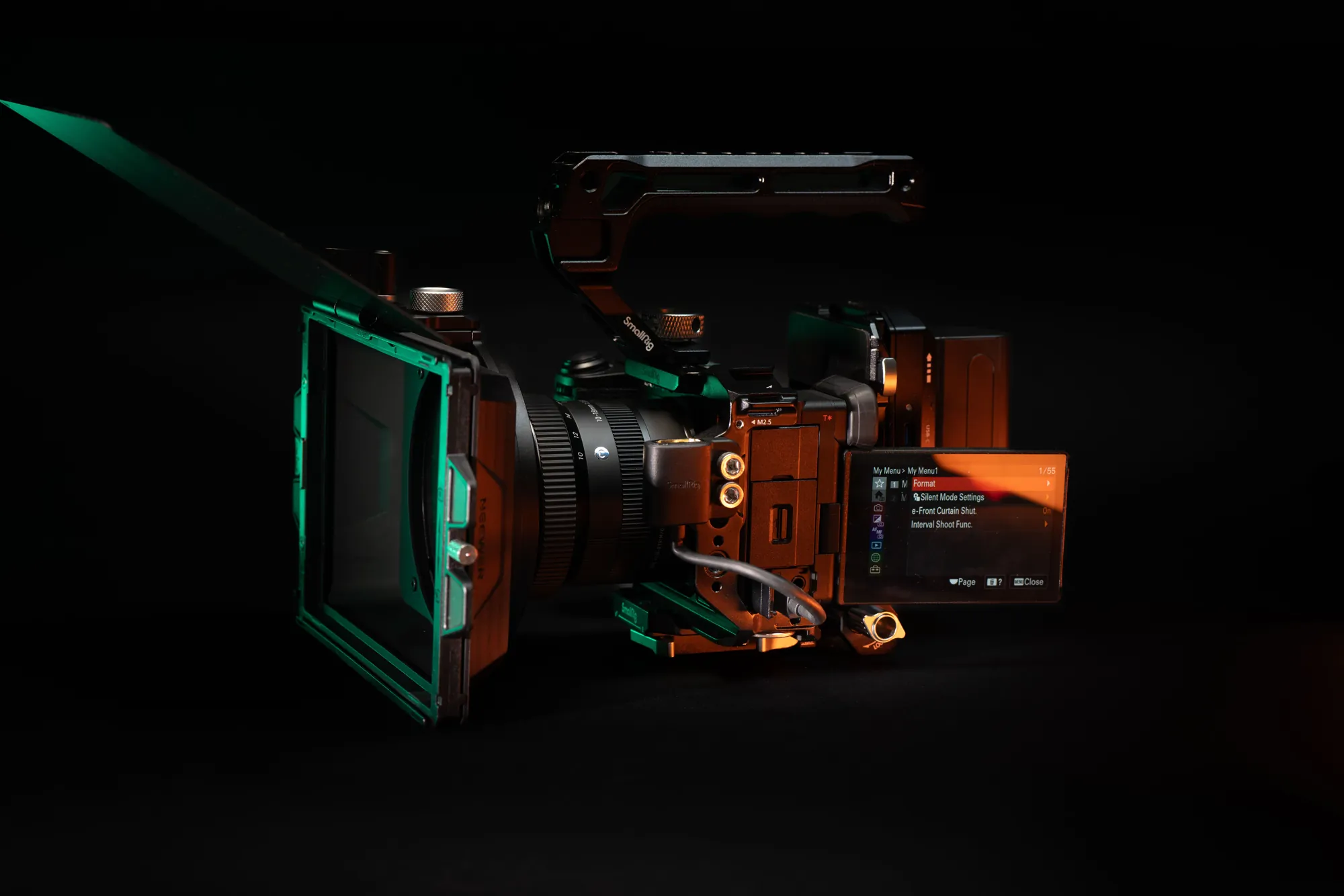
- Open gate = the entire sensor. Full width and full height, instead of cropping in-camera to 16:9.
- Sony resisted it for years. The Sony FX5, launched July 2026, is the first Sony FX-series camera to offer it.
- The point is multi-format delivery. One take, reframed later into 16:9, 9:16, 4:5 and 1:1, without reshooting or losing resolution.
- The trade-offs are real. Bigger files, tougher sensor readout demands, and more discipline needed when framing on set.
- Most Sony bodies still don't have it. FX3, FX6 and FX9 included. No multi-format delivery or anamorphic pairing on your shoot? You probably don't need to chase it.
Open gate has been one of the most searched camera terms of the past couple of years, and Sony just gave UK filmmakers a reason to actually care about it.
So, what is open gate in Sony cameras, and does it change anything about how you should shoot your next production?
What Does Open Gate Actually Mean?
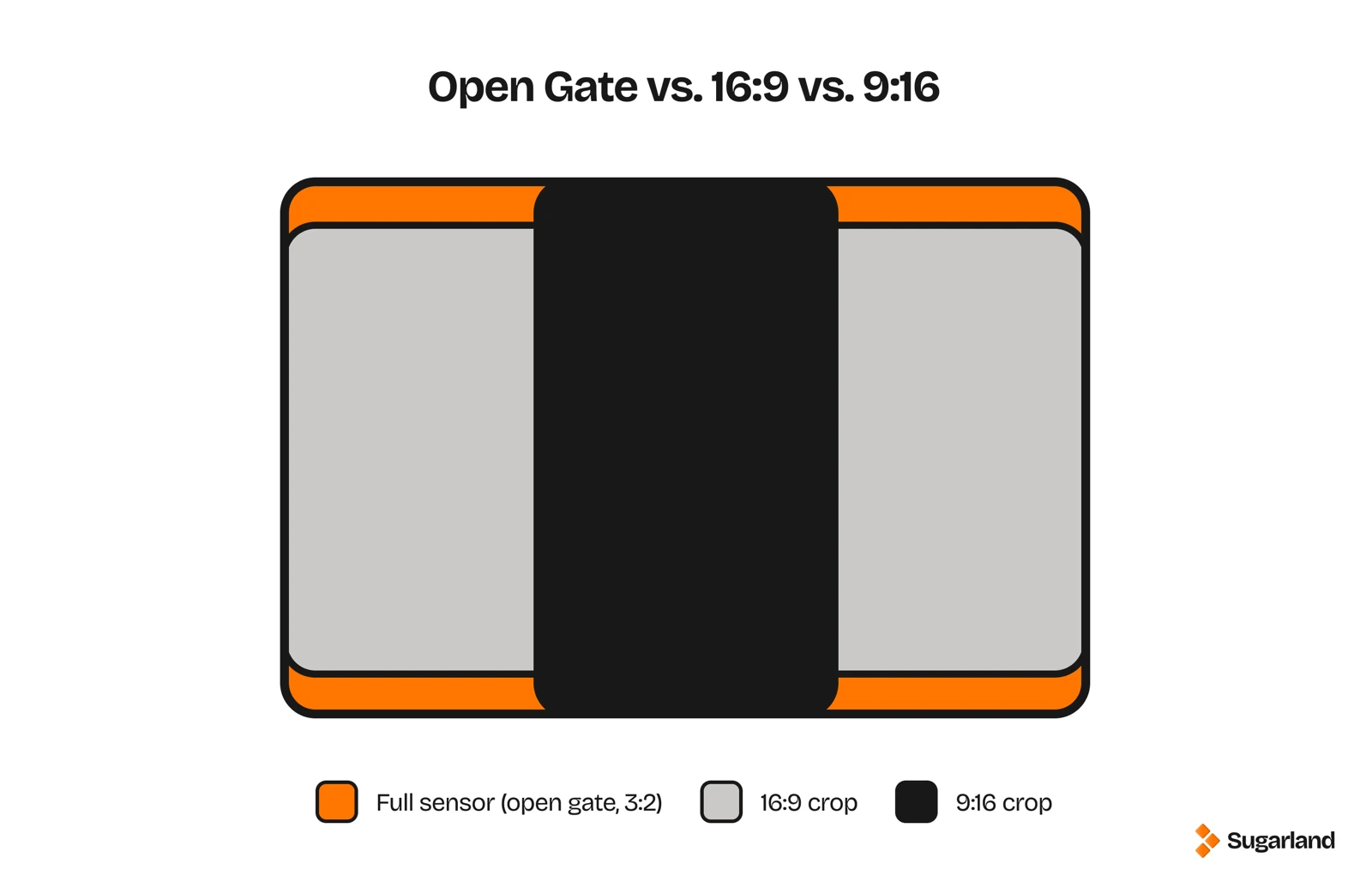
Open gate means the camera records using the entire area of its sensor, both full width and full height, rather than cropping down to a widescreen shape like 16:9 in-camera.
The term comes from film cameras, where the "gate" was the physical metal window that shaped how much of the film stock got exposed.
Shooting "open gate" meant no crop mask was in place, so the full frame got exposed.
Digital cameras have borrowed the term to mean recording the whole sensor instead of a preset crop like 16:9 or 2.39:1.
Most full-frame sensors are natively a 3:2 shape (the same proportions as a photo). Video almost always crops that down to 16:9 or narrower, throwing away the top and bottom strip of the sensor.
Open gate keeps that strip, which is where the extra flexibility comes from.
In one line: open gate is everything the sensor sees. Every other video format is a crop of that.
Why Doesn't Sony's "Uncropped 4K" Count as Open Gate?
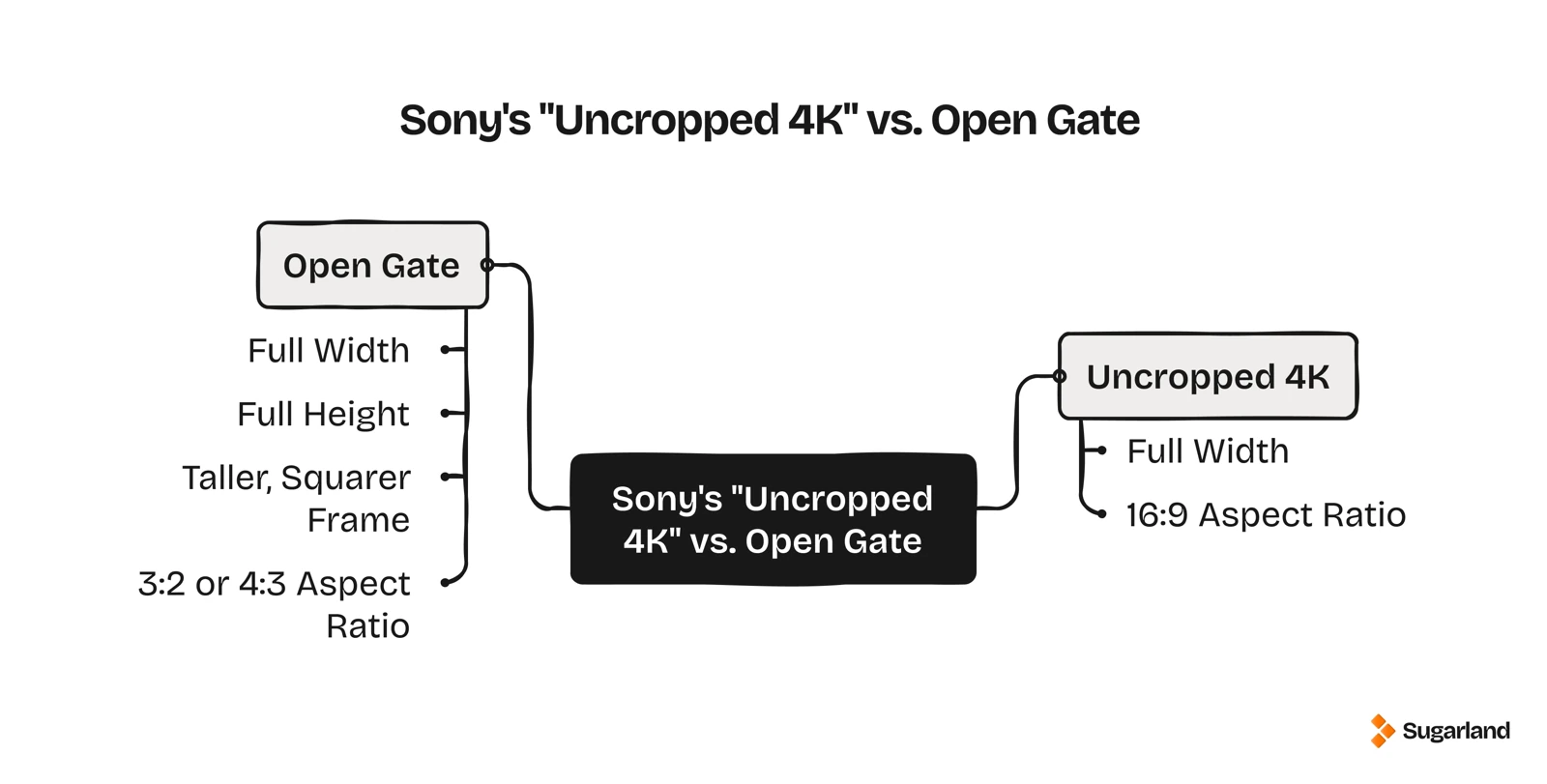
Uncropped 4K on cameras like the FX3 only means the camera is using the full width of the sensor.
It says nothing about the height, as Digital Camera World explains: most cameras record video in a 16:9 aspect ratio regardless of the sensor's actual dimensions.
This trips a lot of people up, understandably. "Full sensor width" sounds like it should mean "full sensor," but it doesn't.
Open gate needs both dimensions maxed out, which is why it produces a taller, squarer-looking frame (typically 3:2 or 4:3) rather than a wider one.
Sony's Open Gate History: From VENICE to the FX5
Sony has actually had open gate for a long time, just not where most filmmakers could reach it.
The original VENICE and its successor VENICE 2 have offered a full 8.6K 3:2 open gate mode for years, alongside their 17:9 and 16:9 options.
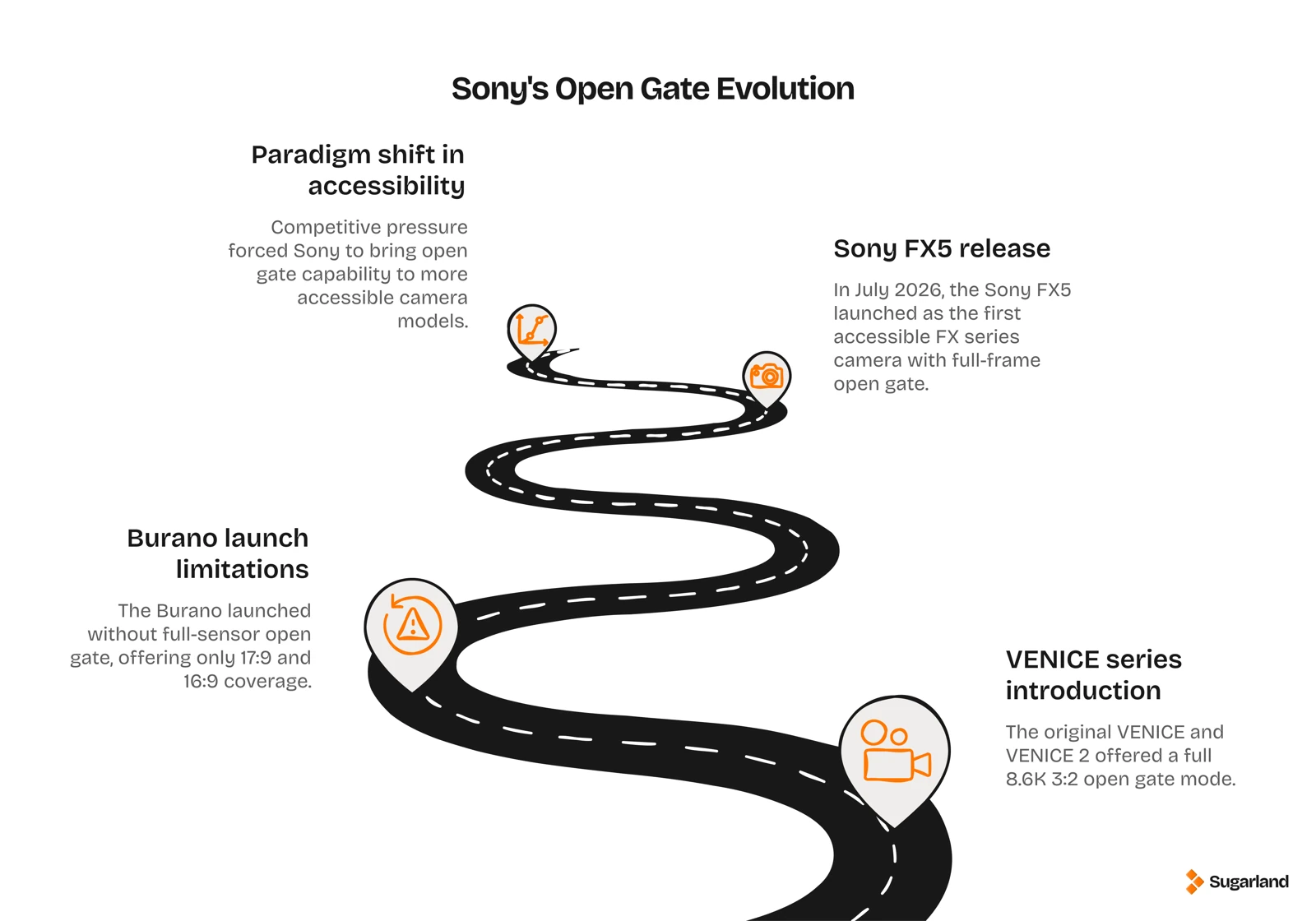
Sony guarded that capability carefully. When the BURANO launched, it notably shipped without a full-sensor open gate mode, offering only 17:9 and 16:9 coverage.
Firmware has since added 2 modes built for anamorphic lenses: a Super 35 4.3K 4:3 mode in version 2, and a full-frame 5.8K 6:5 mode in version 3.00 (May 2026).
Neither uses the full 3:2 sensor, so it's still not true open gate.
Getting open gate on a Sony cinema camera meant stepping up to VENICE 2, a camera that sits firmly in flagship territory on price.
That changed in July 2026 with the launch of the Sony FX5.
It's the first camera in Sony's more accessible FX series to offer full-frame open gate, recording 5K at a 3:2 aspect ratio using the complete height of its new stacked sensor.
One industry write-up called it a genuine paradigm shift for Sony, noting the company had been very careful to protect that capability for its higher-end models until competitive pressure forced a change.
The FX3, FX6 and FX9 still don't have it. If you're shooting on those bodies, uncropped 4K is as close as you'll get.
What Can You Actually Do With Open Gate Footage?
Open gate lets you reframe a single take into multiple aspect ratios in post, without losing resolution, because you captured more image data than a standard 16:9 crop ever gives you.
Panasonic, whose Lumix range has offered open gate for years, describes the workflow simply: it results in extra image above and below the final frame, useful for reframing in post.
Shoot once, in the landscape position, and crop to whichever aspect ratio a platform or client needs afterwards.
Practical uses on a typical shoot:
- Vertical crops for social platforms without reshooting or digitally zooming into a thin 16:9 frame
- Extra headroom for stabilisation and reframing if a shot needs nudging after the edit
- Better pairing with anamorphic lenses, since the taller sensor readout suits higher squeeze ratios without throwing away resolution
On the FX5 specifically, open gate also unlocks anamorphic de-squeeze options above 1.33x, something the FX3 and FX6 can't offer at full resolution.
If you're weighing up which Sony cameras might suit a multi-format shoot, this is the feature worth asking about first.
Does Open Gate Matter for Multi-Platform Delivery?
Yes, if your project needs to land on more than one platform from the same footage.
Most short-form platforms now expect a 9:16 vertical frame, while YouTube and broadcast delivery still expect 16:9, and Instagram's feed increasingly favours 4:5.
Current 2026 guidance puts 9:16 vertical (1080×1920) as the default covering TikTok, Instagram Reels and Stories, YouTube Shorts, Facebook Reels and Stories, and Pinterest Video Pins natively, with 16:9 reserved mainly for YouTube long-form and 4:5 for Instagram feed posts.
That's three or four different shapes a single commercial or campaign might realistically need.
The maths: one open gate take can cover a 16:9 hero cut, a 9:16 social cutdown, and a 4:5 feed version, all from a single setup.
If a client brief spans a hero cut for YouTube, a square or vertical cutdown for social, and stills for a landing page, open gate means you can pull all of that from one setup rather than rigging multiple cameras or reshooting.
It's a genuine time and coverage saver on shoots with that kind of scope. For a production that's only ever going out in one format, it solves a problem you don't have.
Worth checking our full equipment hire range if you're planning a multi-format shoot and want to see what pairs well with an open gate body.
What Are the Trade-Offs of Shooting Open Gate?
The main trade-offs are bigger file sizes, a heavier demand on the sensor's readout speed, and more discipline needed on set to avoid capturing things you didn't mean to.
DPReview flags the technical side clearly: since the camera has to read out more of the sensor's height than a standard 16:9 crop, it has to be fast enough to read out its entire area in 1/24, 1/30 or 1/60th of a second to deliver video, which is part of why open gate has typically needed a fast, often stacked, sensor to work well.
On set, there's also a practical framing issue.
Because you're capturing more of the scene than you'll necessarily deliver, it's easy to accidentally leave light stands, crew, or other unwanted details inside the frame if you're only checking a 16:9 guide on your monitor.
Worth building a habit of checking safe-frame overlays for every aspect ratio you plan to deliver, not just the one you're used to composing for.
Rule of thumb: if you can see it in open gate, someone else could crop into it. Frame accordingly.
None of this makes open gate a bad choice. It just means it's a deliberate one, not something to switch on by default for every job.
Which Sony Cameras Support Open Gate Today?
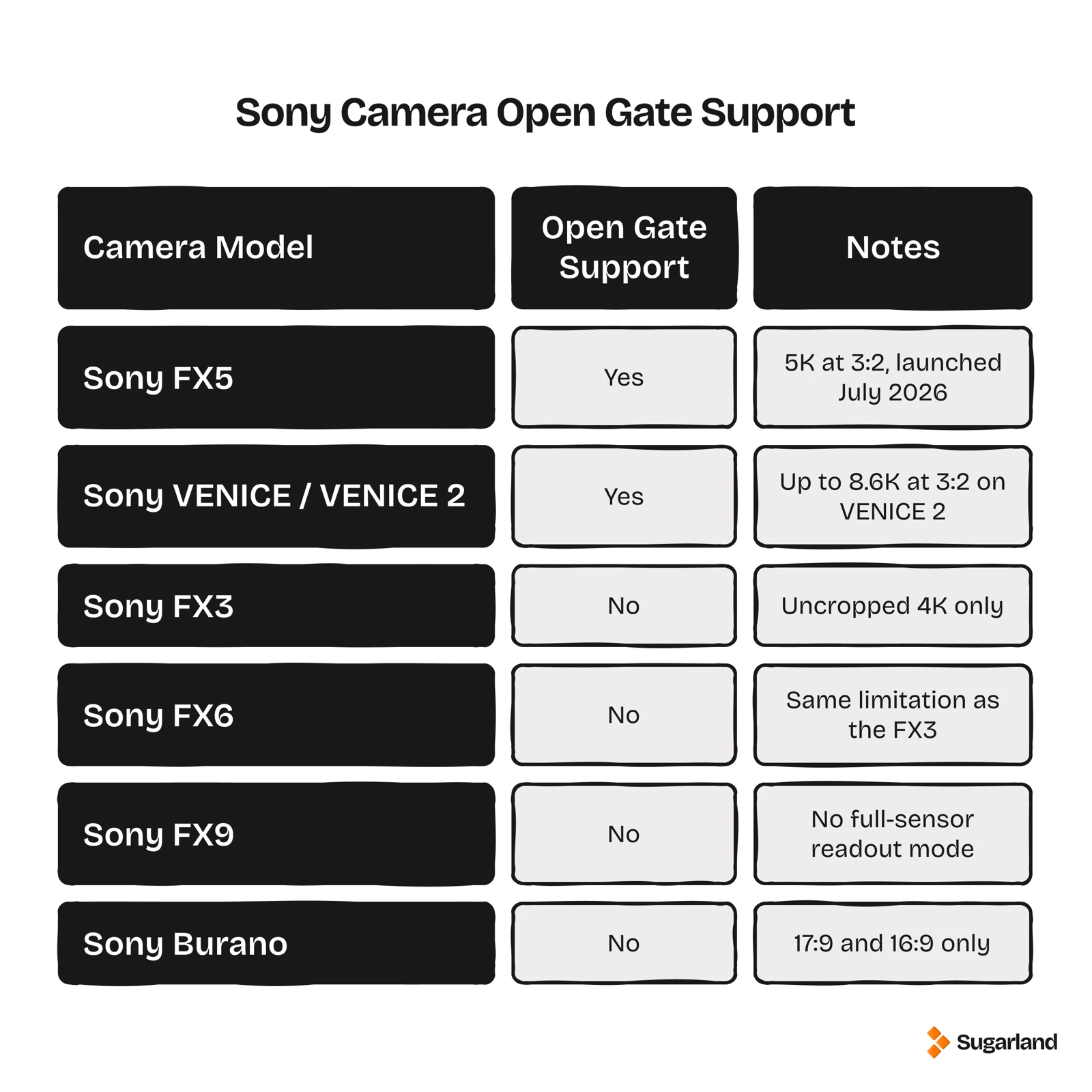
As of August 2026, open gate on Sony cameras is limited to just two tiers of the range: the FX5, and the VENICE / VENICE 2. Everything else still crops to 16:9 or narrower.
Have it today:
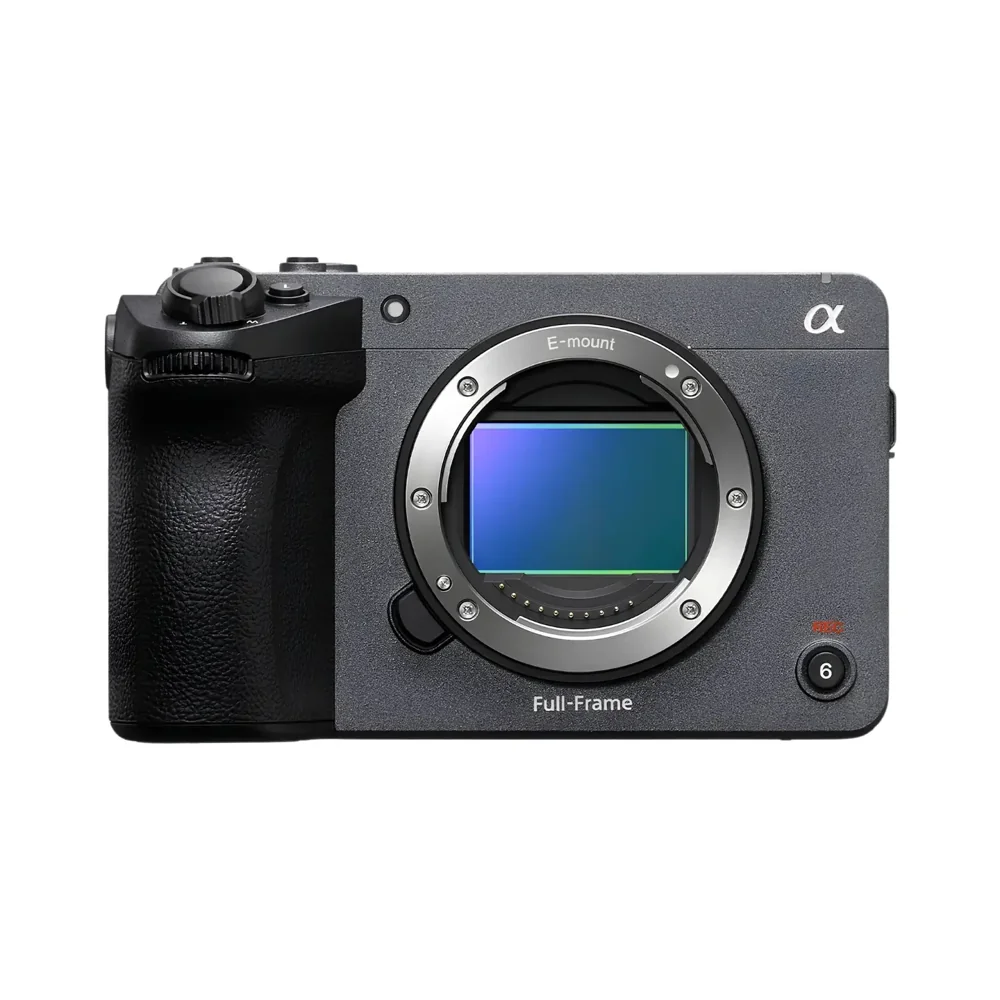
- Sony FX5: 5K at 3:2, launched July 2026, the first FX-series body with the feature
- Sony VENICE / VENICE 2: up to 8.6K at 3:2 on VENICE 2, open gate's original home at Sony
Don't have it:
- Sony FX3: uncropped 4K only (full sensor width, not full height)
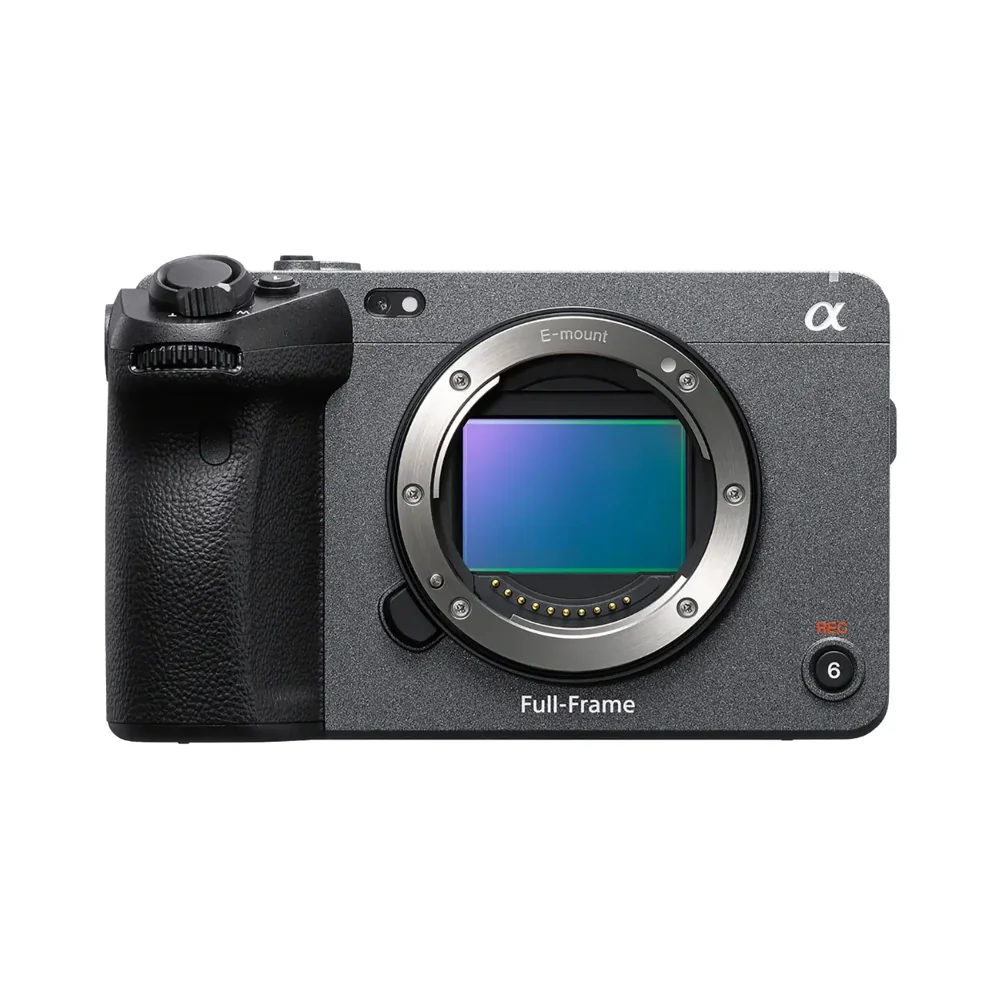
- Sony FX6: same limitation as the FX3
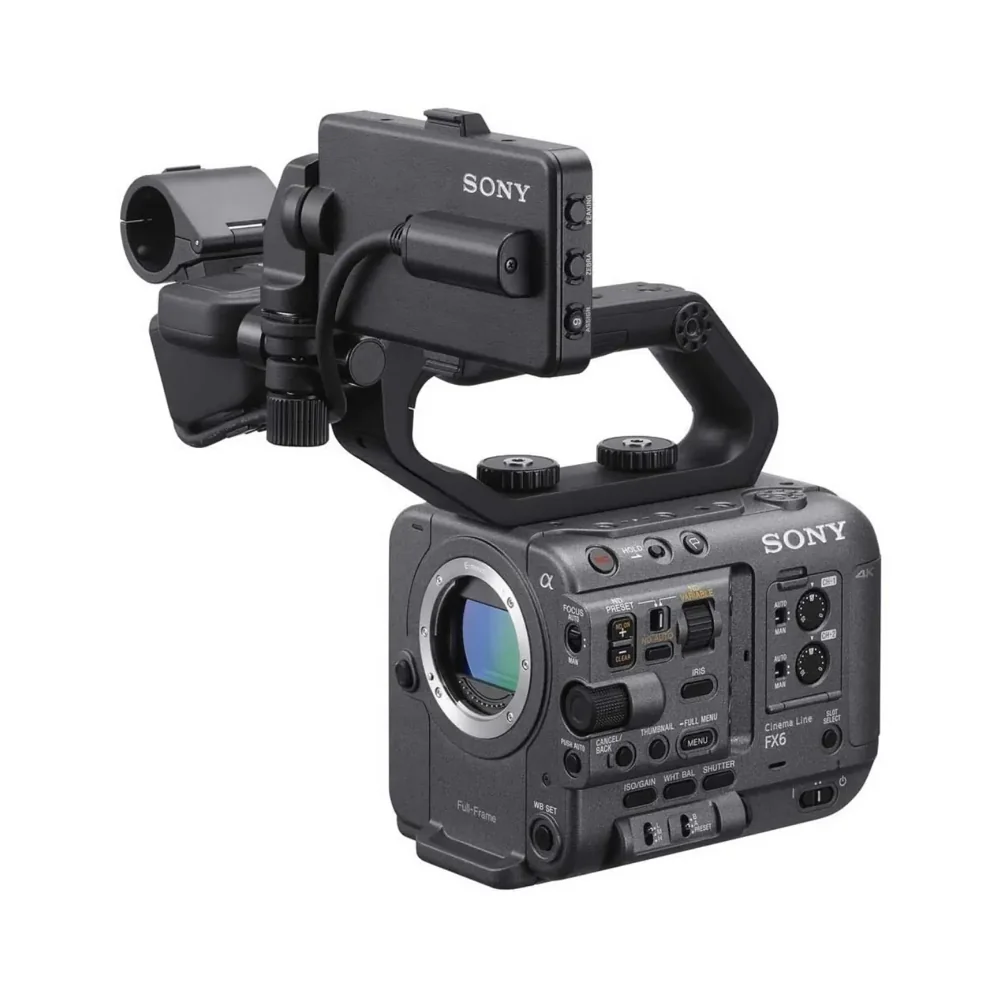
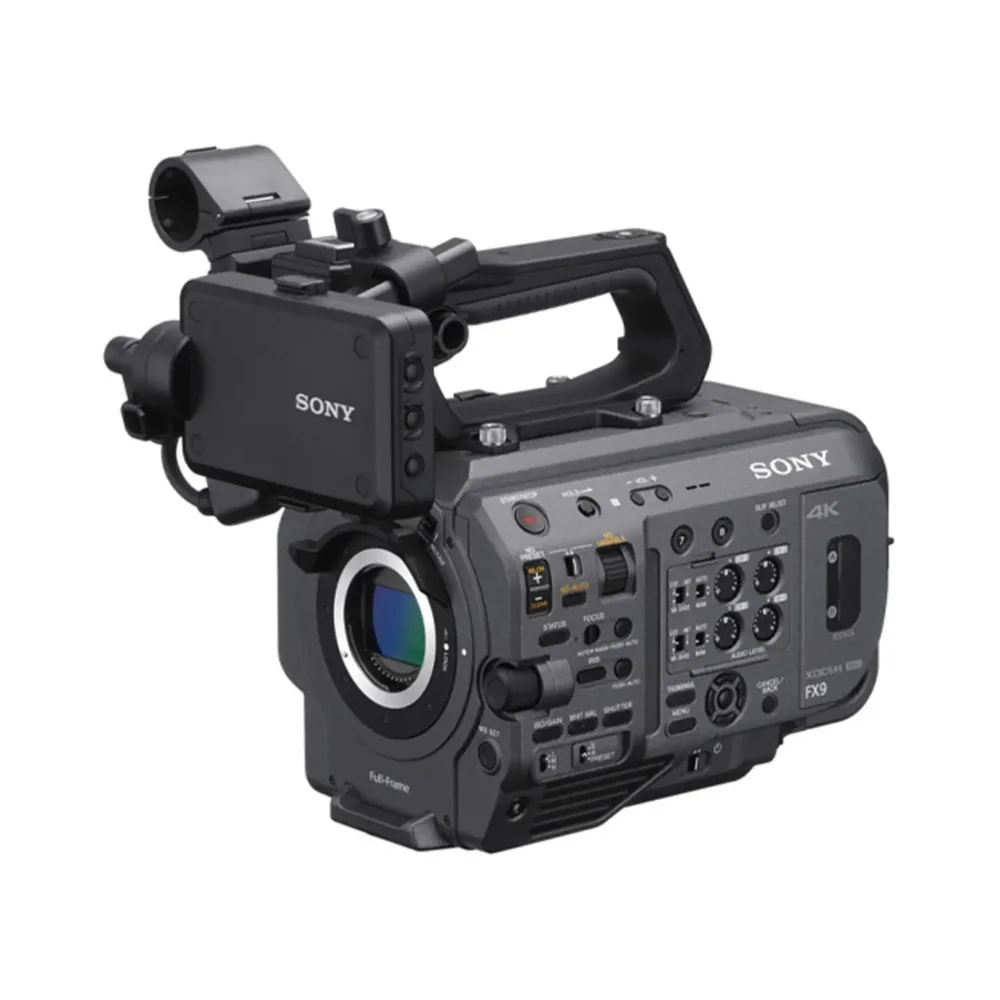
- Sony FX9: no full-sensor readout mode
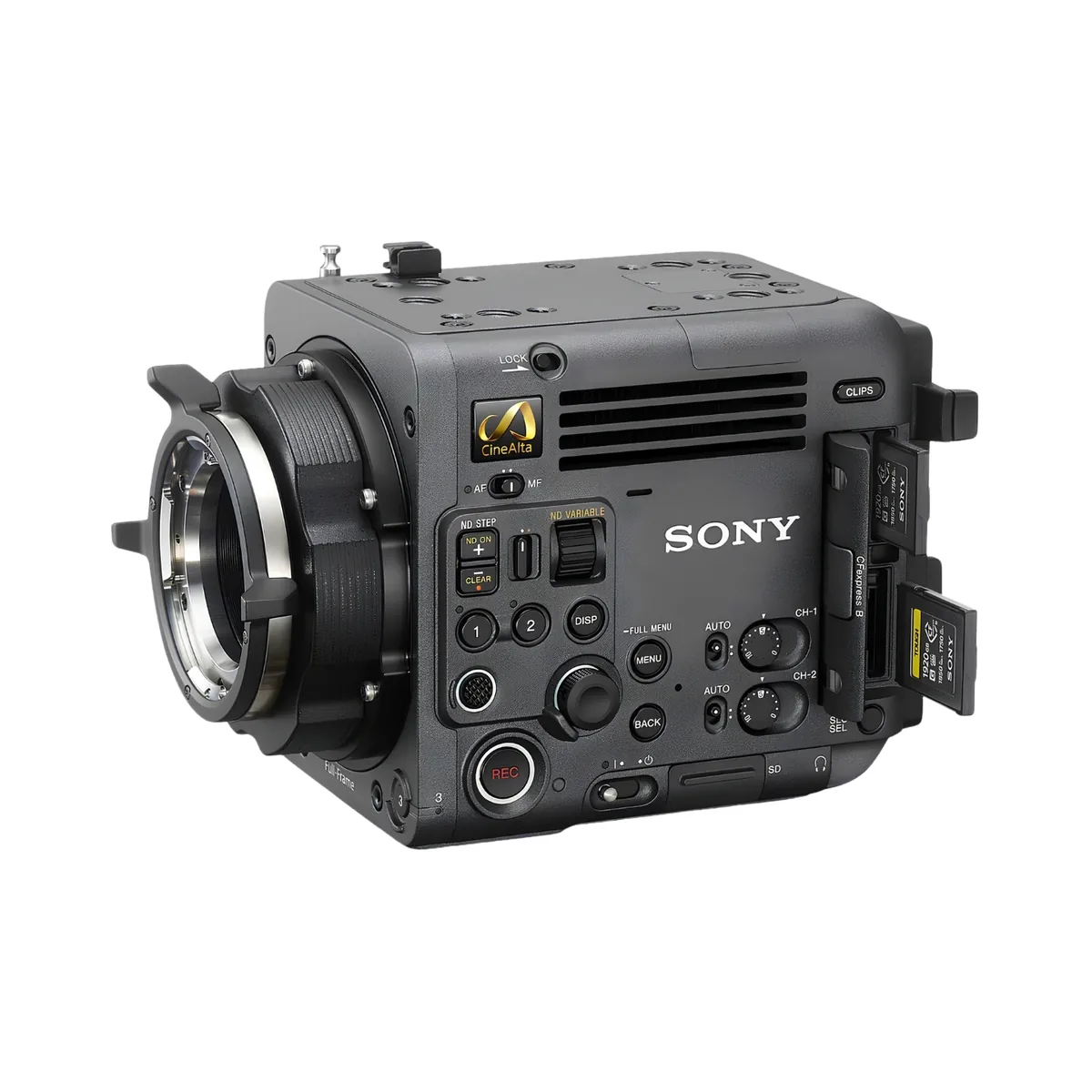
- Sony BURANO: 17:9 and 16:9, plus anamorphic modes (Super 35 4:3 and full-frame 6:5), but no full 3:2 open gate
Sony has said a firmware update expected in 2027 will bring open gate in the XAVC codec to the FX5, alongside higher frame rates in that mode.
Worth keeping an eye on if you're planning a purchase or long-term hire around this feature.
Do You Need Open Gate for Your Next Shoot?
You need open gate if your project is going to multiple aspect ratios or platforms, or if you're pairing with anamorphic lenses.
You probably don't need it if you're delivering to a single fixed format, like broadcast or a single-platform YouTube upload.
It's a genuinely useful tool for the kind of production that used to mean multiple set-ups or reshoots: a commercial that needs both a 16:9 hero cut and 9:16 social cutdowns, a music video destined for YouTube and Reels, or anything shot with anamorphic lenses where resolution matters.
For a single-format broadcast piece or a straightforward interview that's only ever going out one way, it's not going to change your results much, and the bigger files aren't worth the storage overhead.
If you're weighing up whether an open gate body like the FX5 makes sense for an upcoming production, or want to talk through which Sony camera fits your shoot, request a quote and we can walk through what's available.
Let’s plan your next shoot
Get your equipment, studio and crew all in one place.